





HEALTHY LIVING

4‑H Healthy Living
Our programming empowers youth to be healthy – body and mind – with the skills to make healthy decisions and lead healthy lifestyles. Having the confidence and skills to lead healthy lifestyles not only improves overall well-being; it enables youth to tackle life’s challenges today and become leaders in their lives, careers and communities as they grow into responsible adulthood.
Program areas
Mind: social and emotional well-being
4‑H’s Healthy Living programs provide youth with a better understanding of how their choices can help themselves, their families, and their communities. With programs focused on issues such as substance abuse prevention and mental health, 4‑H helps youth build a firm foundation that encourages good decision-making and strong interpersonal skills. Social-emotional health is the cornerstone to confident, caring young leaders who understand how to take care of their minds and inner being, which is key to holistic well-being.
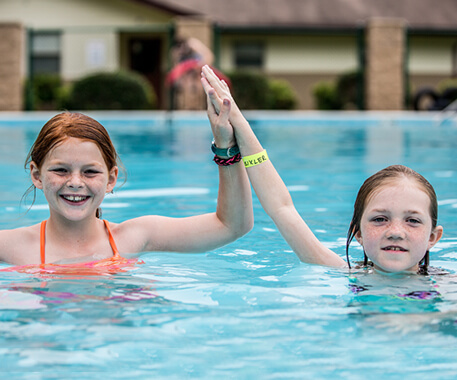

Body: fitness, health, nutrition and safety

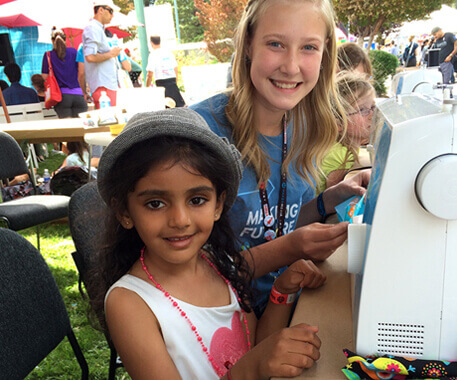
Teen mentorship and leadership
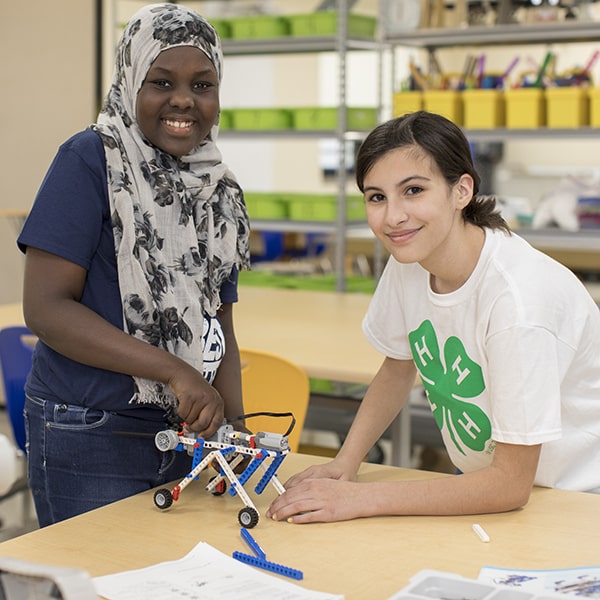
4‑H Healthy Living programs empower youth to be teachers by growing their leadership skills and serving as champions of health in their communities. Teens as Teachers is an experiential learning model delivering research-based information supported by adult mentors and applying skills and knowledge to initiate change in behaviors for themselves, their families and peers.
Featured healthy living programs
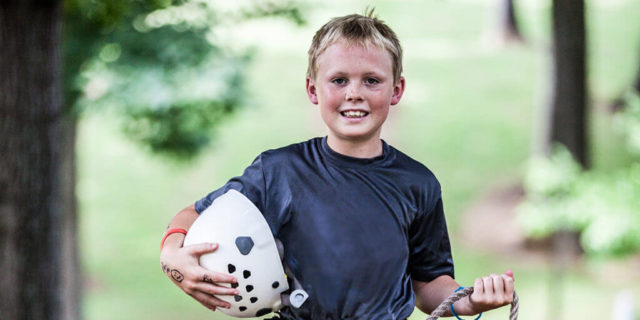
4‑H Healthy Habits
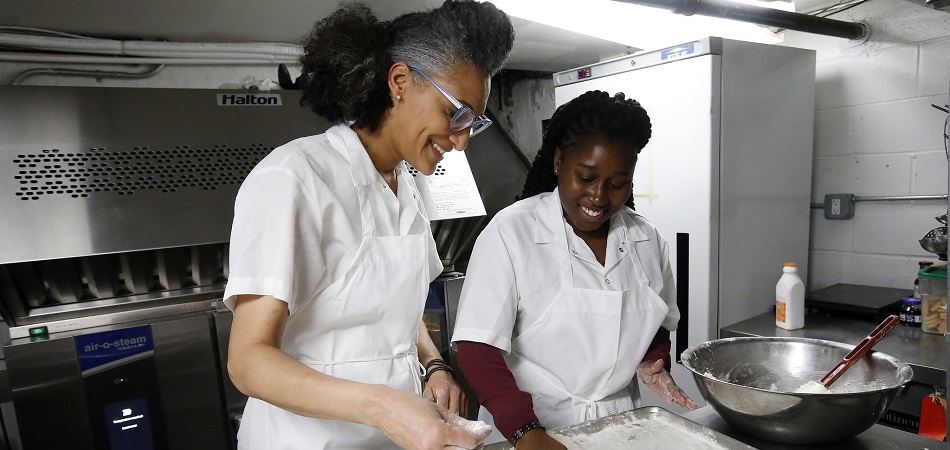
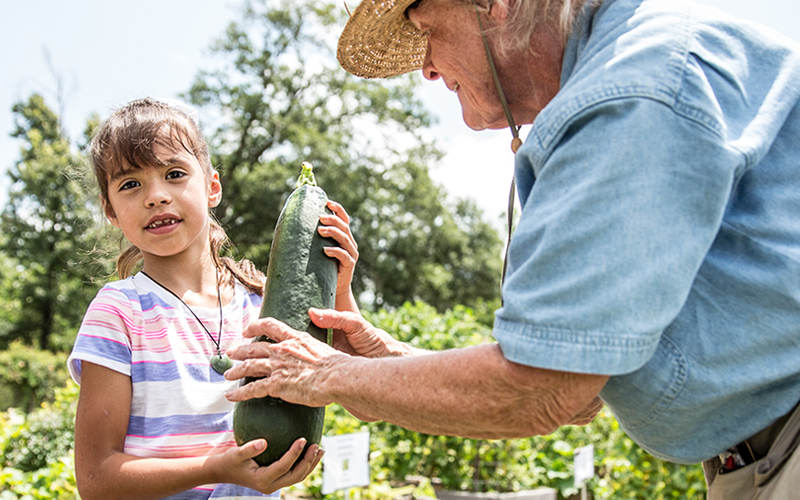
4-H Healthy Habits supports communities across the nation by promoting healthy living among youth and their families. Through this innovative and culturally-relevant program, kids build healthy habits with a core focus on nutrition and food preparation skills. 4-H Healthy Habits is driven by Teen Healthy Living ambassadors who assist in delivering evidence-based programming to younger youth.
4‑H Health Rocks!®
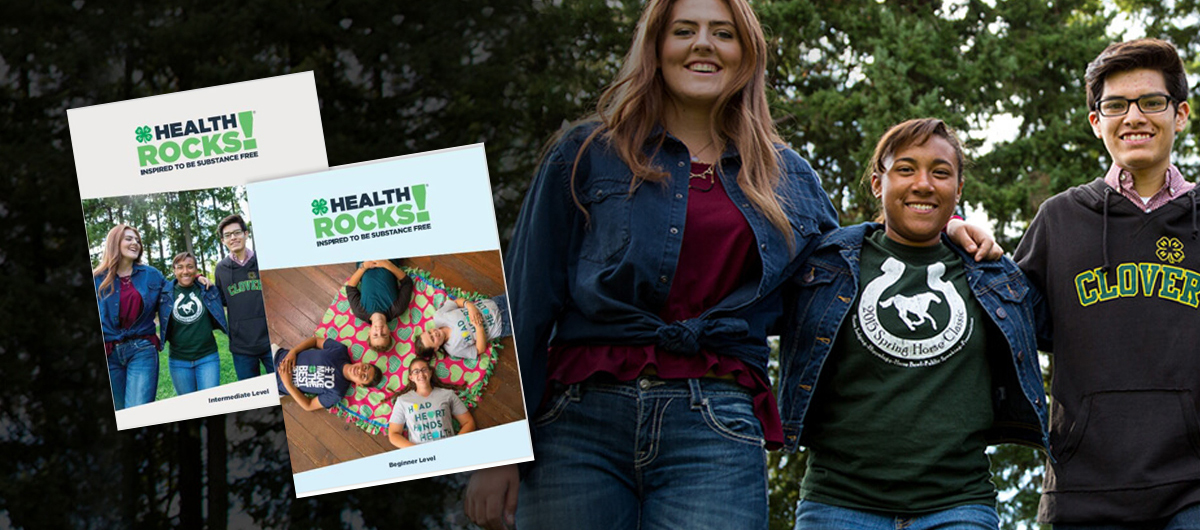
Health Rocks!® is a series of curricula with the goal of bringing youth, families, and communities across the United States together to reduce tobacco, alcohol, and drug use by youth. Program goals include reducing youth smoking and tobacco use, helping youth build life and decision-making skills, and helping youth understand the consequences of tobacco, alcohol, and drug use.
Youth Advocates for Community Health (YACH )
The Youth Advocates for Community Health (YACH) initiative creates youth-adult partnerships that allows youth to lead and generate energy among their peers (and adults) to improve the health in their community in ways that matter to them. The YACH web site is filled with resources for planning a youth-led community health project, making the healthy choice the easy choice in a community. Explore now how you can start a YACH project today!
Featured healthy living supporter
Walmart Foundation
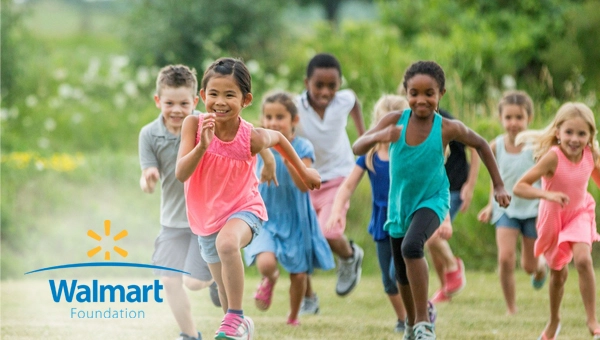
Since 2012, 4-H and the Walmart Foundation have partnered to reach a million youth with nutrition education and physical activity, with an intentional focus on populations who face challenges in achieving positive health outcomes.
4-H Fresh Chefs
Digital Cookbook
Explore nearly 50 recipes from 4‑H’ers, supporters, and 4‑H alumni — including celebrity chef, author, and Tennessee 4‑H alumna Carla Hall — in the Fresh Chefs digital cookbook.